Flexible Pricing Module

Loop ERP Modules & Features

Condition-Based Pricing Software Built Into Your ERP

In the circular economy, pricing is anything but fixed. You’re pricing by condition, grade, bundle, service level, lifecycle stage, and sometimes even recovery yield. Discounts are dynamic. Margins shift. Customers negotiate. Suppliers expect credits. Most ERPs can’t keep up—so teams retreat to spreadsheets.

img
icon

What It Does

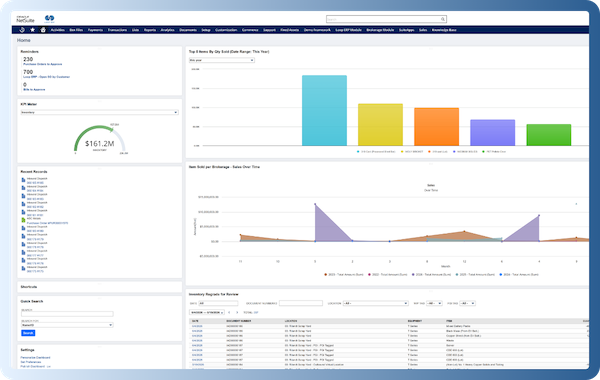
The Flexible Pricing Module in Loop ERP lets you create, manage, and automate any type of pricing logic—from standard item pricing to condition-based rules, customer-specific pricing, bundled offers, tiered discounts, volume-based adjustments, and time-sensitive incentives. All without needing to track it manually in spreadsheets.

Whether you're reselling refurbished goods, offering core credit incentives, negotiating post-inspection pricing, or running recovery-linked rebates—this module can model and automate it.

What is condition-based pricing software in an ERP?

Condition-based pricing software is a pricing engine that sets and automates different prices for the same item based on grade, condition, recovery yield, or customer contract, all inside your ERP. In materials-based businesses, the same product can be worth five different amounts depending on how it comes in. Standard ERP pricing assumes one item has one price, maybe with a volume discount. That breaks the moment you're dealing with recovered materials or condition-driven tiers. A purpose-built pricing engine handles it natively, so what your driver quotes, your finance team books, and your operations team sees all comes from the same rules, every time.

Key Features

icon

Condition- and Grade-Based Pricing

Set pricing based on the actual condition of each item—new, refurbished, gently used, repairable, or parts-only. Prices automatically adjust as items are regraded.

icon

Customer-Specific and Contract Pricing

Create bespoke pricing for customers, partners, or marketplaces—down to SKU, grade, or region level.

icon

Bundle, Kit & Multi-Item Pricing

Support complex packaging and bundling scenarios—ideal for circular resale, disassembly, or value-added service offerings.

icon

Spreadsheet-Like Logic—Without the Spreadsheets

Use familiar calculation tools inside Loop ERP’s pricing engine. Model margin targets, pricing formulas, “if-then” logic, and lookup tables—without needing Excel.

icon

Dynamic Volume and Tier-Based Adjustments

Set automatic price shifts based on order quantity, customer lifetime volume, or specific product movement goals.

icon

Price Validity Windows and Promotional Rules

Time-box your pricing rules for seasonal campaigns, sales pushes, or sustainability incentives.

icon

Core Returns and Credit-Back Integration

Link pricing to returned goods or core recovery workflows. Automatically apply rebates, discounts, or adjusted pricing based on customer participation in circular programs.

icon

Marketplace and Channel-Specific Pricing

Manage pricing variations across wholesale, eCommerce, B2B, donation, and outlet/resale channels from one place.

icon

Full Auditability and Price Change History

Every price decision is logged—so finance, sales, and compliance teams can always trace the “why” behind what a customer paid.

img

Built for the Circular Economy’s Pricing Complexity

Loop ERP’s Flexible Pricing Module is designed for operations where:

  • One item may have five grades and five prices
  • Customers expect custom terms per contract or region
  • Sales reps build pricing logic in spreadsheets (and hope no one breaks it)
  • Finance needs margin accuracy across recovered and resold goods
  • Procurement offsets, recovery credits, and sustainability incentives all affect price

Loop ERP handles this complexity without compromise—no spreadsheets required.

From Pricing Chaos to Pricing Control

With Loop ERP, your pricing is no longer scattered across spreadsheets, emails, and tribal knowledge. It’s centralized, configurable, automated, and intelligent—ready to support your growth and complexity.

Schedule a Demo
img

Blogs

Latest Insights

See All Blogs
icon

June 9, 2026

R2 Certification and Your ERP: What Auditors Actually Check

icon

May 28, 2026

How to Choose ERP for Recycling: A Buyer's Guide

icon

May 14, 2026

E-Scrap ERP: The Complete Guide to ERP Software for Electronics Recycling

See All Blogs

Frequently Asked Questions

Everything you need to know about Loop ERP

Can Loop ERP handle large-scale operations?

icon

Yes. Loop ERP is built on NetSuite, the same platform used by enterprise operators, multi-site businesses, and high-volume processors. It handles multi-entity accounting, consolidated reporting across locations, high daily transaction volumes, and complex settlement structures without slowing down. If you are running one site today and five next year, you do not need to replatform to keep up.

How long does it take to implement Loop ERP?

icon

Implementation time varies, depending on the number of locations, material streams, and integrations involved (scales, cameras, payment processors, third-party logistics). The Loop ERP team handles data migration, workflow configuration, integration, and training in parallel, and we work directly with your operations leads, not just IT, so the system matches how your business actually runs on day one.

What makes Loop ERP different from other ERP systems?

icon

Most ERP systems treat inventory as static boxes on a shelf. Loop is built for inventory that changes grade, weight, and value at every step, which is how scrap, recycling, aggregate, brokerage, and similar materials-based businesses actually work. It is also NetSuite-native, so you do not need a separate accounting package, a middleware layer, or a patchwork of integrations to get from inbound ticket to closed financials. One login, one system, one source of truth for operations and finance.

What support does Loop ERP offer?

icon

Loop ERP provides implementation support, training for operations and finance teams, and ongoing technical support after go-live. Clients get access to documentation, how-to guides, and direct consultation with our team for troubleshooting, configuration changes, and new workflow setup. Support is handled by people who understand the difference between a ticketing issue and a grading exception, not a generic help desk working from a script.

How secure is Loop ERP?

icon

Loop ERP runs on Oracle NetSuite, so your data lives inside enterprise cloud infrastructure with encryption in transit and at rest, role-based access, and audit logging on every transaction. Ticket edits, grade changes, and settlement adjustments all carry a user stamp and timestamp. If a record is overridden or reclassified, you can see who did it and when, which matters for disputes, audits, and internal controls.