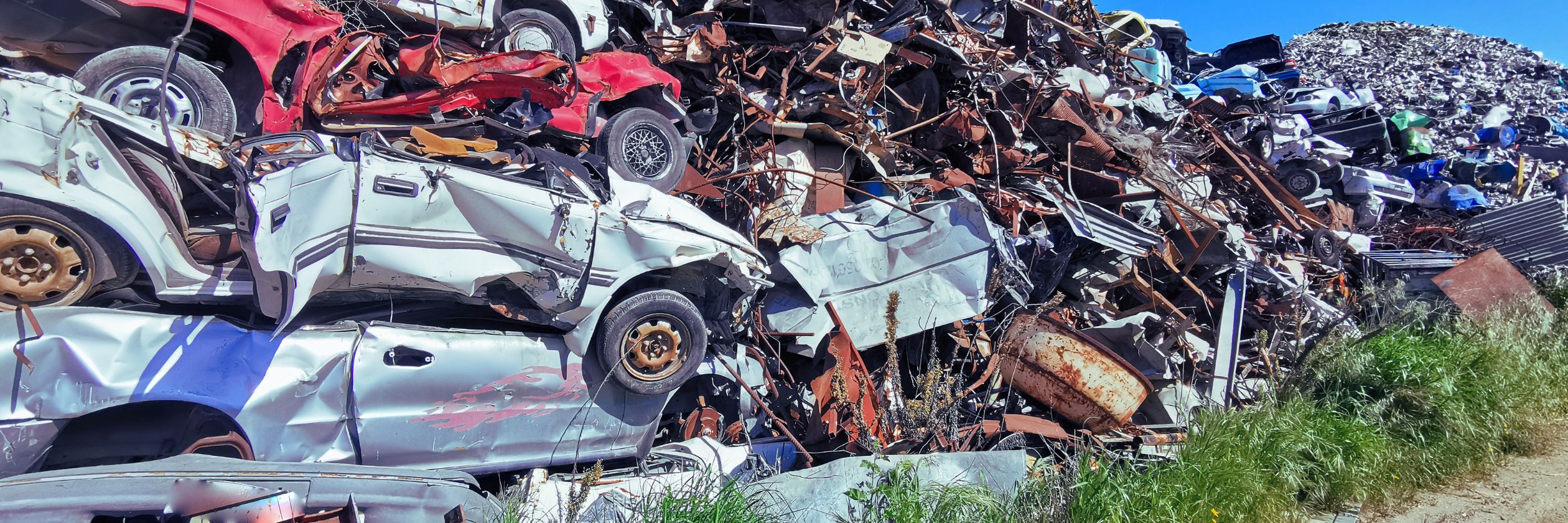
Automotive Recycling Industry

Powering Profitable, Traceable, and Compliant Vehicle Dismantling

img

Auto ERP

Why Loop ERP?

Automotive recycling combines high-volume dismantling, hazardous material handling, part resales, and scrap processing—all under strict regulatory scrutiny. Loop ERP is built to meet the demands of this multifaceted industry, helping you manage everything from inbound vehicle intake to core recovery, resale, and crushing.

Say goodbye to spreadsheets, manual logs, and fragmented systems. Loop ERP centralizes your entire operation in a single, intelligent platform.

What Is ERP Software for Automotive Recyclers?

ERP software for automotive recyclers is a system that manages vehicle intake by VIN, dismantling workflows, parts inventory, hazardous material documentation, scrap processing, and financial settlement inside one platform. Auto recycling yards operate under strict compliance requirements — logging fuel, oil, refrigerants, and batteries at the vehicle level — while also tracking profit and loss per VIN across parts sales and scrap. Spreadsheets and disconnected tools can't maintain that level of traceability while keeping yard operations, sales, and finance in sync. A purpose-built ERP connects every stage from intake to final disposition so compliance is documented and margin is visible at the vehicle level.

The Only All-in-One System You Need

Everything Under One Roof

Loop ERP unites all aspects of your business—from yard operations to sales to financials. No third-party integrations needed.

1

Built on Oracle NetSuite for full financials, CRM, and reporting

2

Real-time operational visibility across yards, parts, and scrap lines

3

Streamlined compliance, core management, and inventory tracking

4

Built for Automotive Recyclers, by Industry Experts

Auto-Specific Workflows

Loop ERP supports complete workflows for salvage auctions, ELVs, insurance totals, fleet retirements, and retail buy-backs.

icon

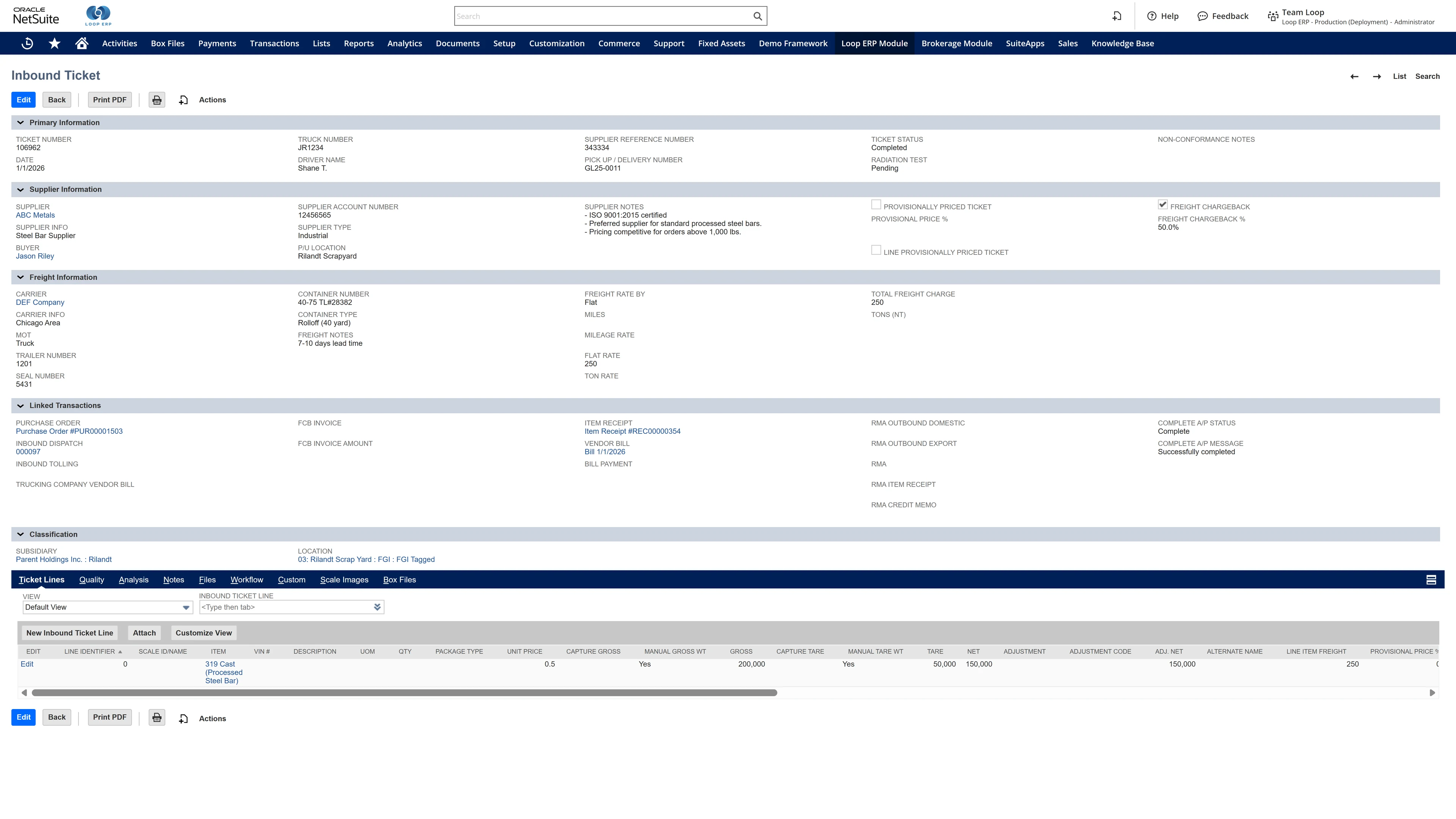
Inbound & Outbound Ticketing

  • Log incoming vehicles by VIN, source, and condition
  • Generate dismantle tickets with part harvest plans and fluid evacuation logs
  • Create outbound sales tickets for parts, scrap metal, or crushed cars
icon

Scale Integration

  • Track inbound gross/tare weights for ELVs or scrap hauls
  • Weigh shredded metal, baled cores, and outbound commodities
  • Connect weight data directly to financials and part yield reports
icon

Camera Integration

  • Photograph vehicles at drop-off, during teardown, and at final crush
  • Attach images to tickets, resale listings, and insurance documentation
icon

QA & Regulatory Compliance

  • Log hazardous materials removed (fuel, oil, refrigerants, batteries)
  • Record compliance steps for EPA, DMV, and recycling board reporting
  • Maintain digital logs of environmental procedures, part recalls, and quarantine holds
icon

Mobile Applications

  • Scan VINs, parts, and scrap tags from yard or teardown floor
  • Allow drivers to log pickups and deliveries with image and signature capture
  • QA techs can record fluid removal and hazmat documentation in real time
icon

Track & Trace

  • Track harvested parts from vehicle to bin to customer
  • Maintain audit trail by VIN, part number, and condition grade
  • Enable rapid recall tracing and regulatory audit readiness
icon

Quality Control

  • Grade parts based on wear, functionality, and cosmetic condition
  • Flag high-demand or non-conforming items for special handling
  • Attach condition reports and photos to resale listings automatically
icon

Netting

  • Net payments for salvage purchases with resale part proceeds
  • Reconcile parts revenue, scrap value, and core returns in a single settlement
  • Automate shared payouts for consigned or auctioned vehicles
icon

Extremely Flexible Pricing Module

  • Price parts by condition, mileage, demand, and vehicle make/model
  • Link scrap metal and core values to market indexes
  • Automate pricing adjustments based on part type, region, or inventory status
img
icon

AI-Driven Insights & Automation

Intelligence That Works for You

  • Predict resale value based on historical part demand and vehicle data
  • Flag vehicles with high-yield or low-risk teardown profiles
  • Recommend dynamic part pricing based on turnover and seasonality

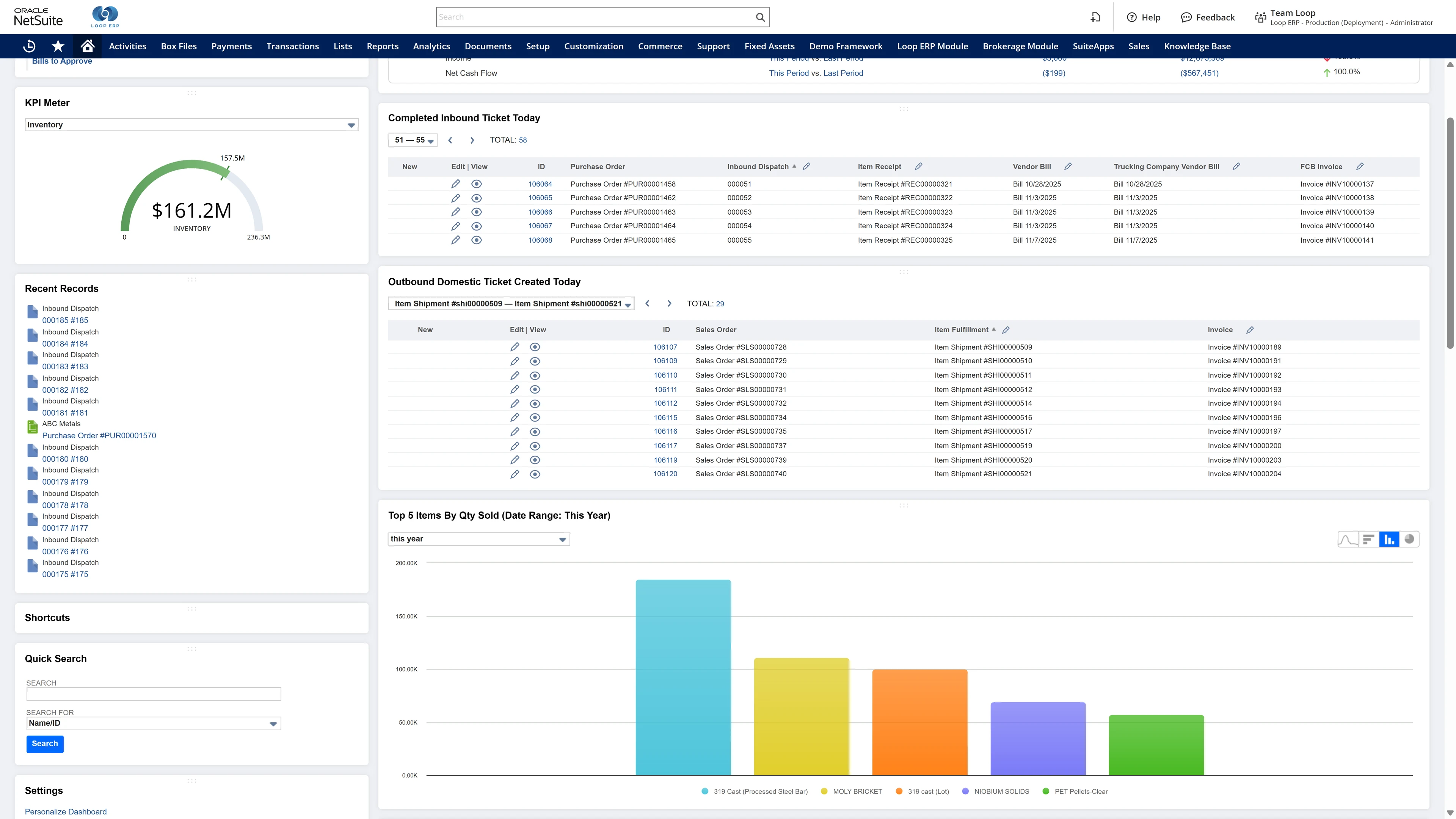
Real-Time Dashboards

Real-World Decisions

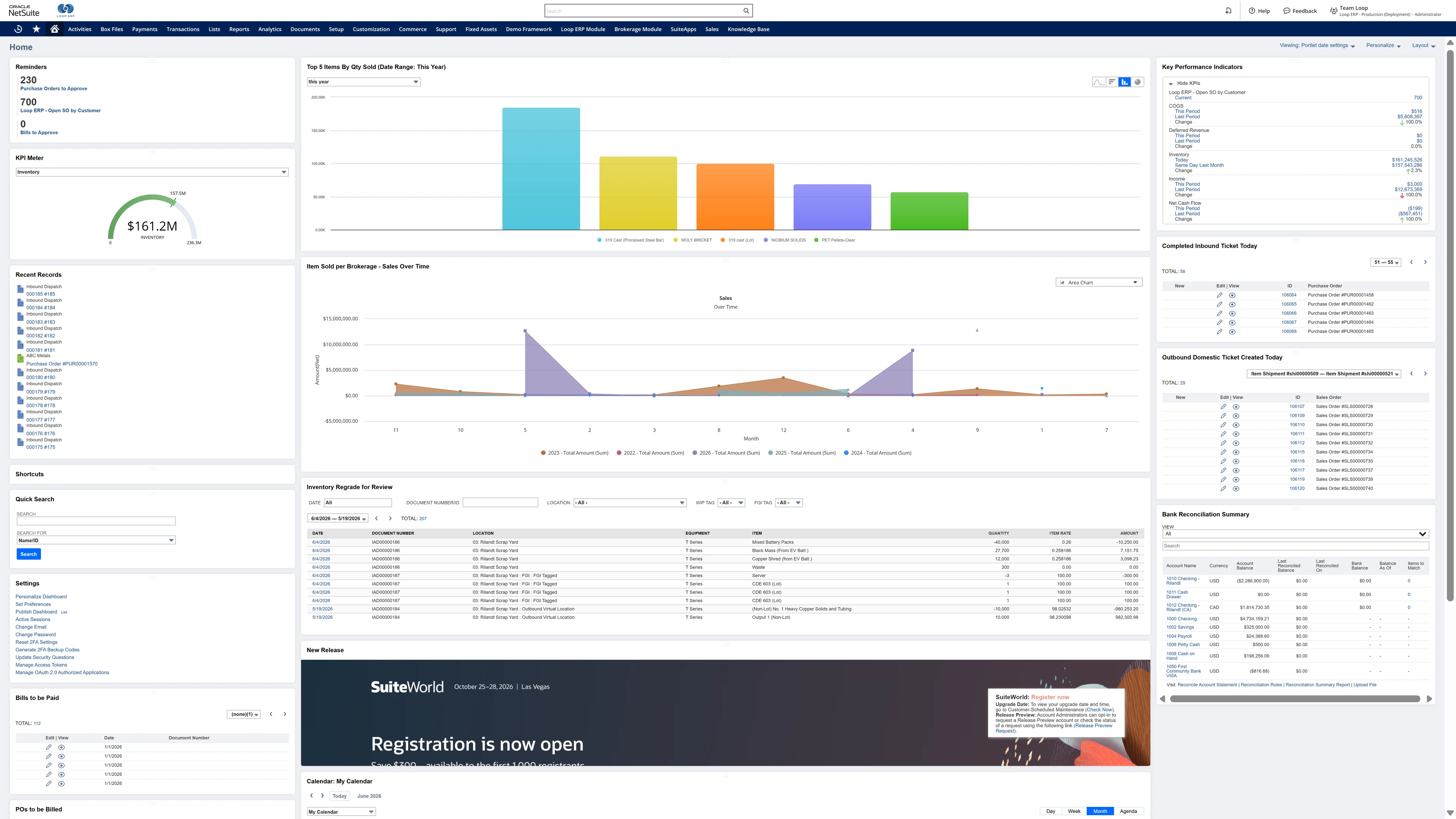
  • Monitor teardown productivity, part yields, scrap revenue, and fluid compliance
  • Track inventory aging, sales trends, and order fulfillment
  • Get ESG insights like materials recovered, carbon offsets, and landfill diversion
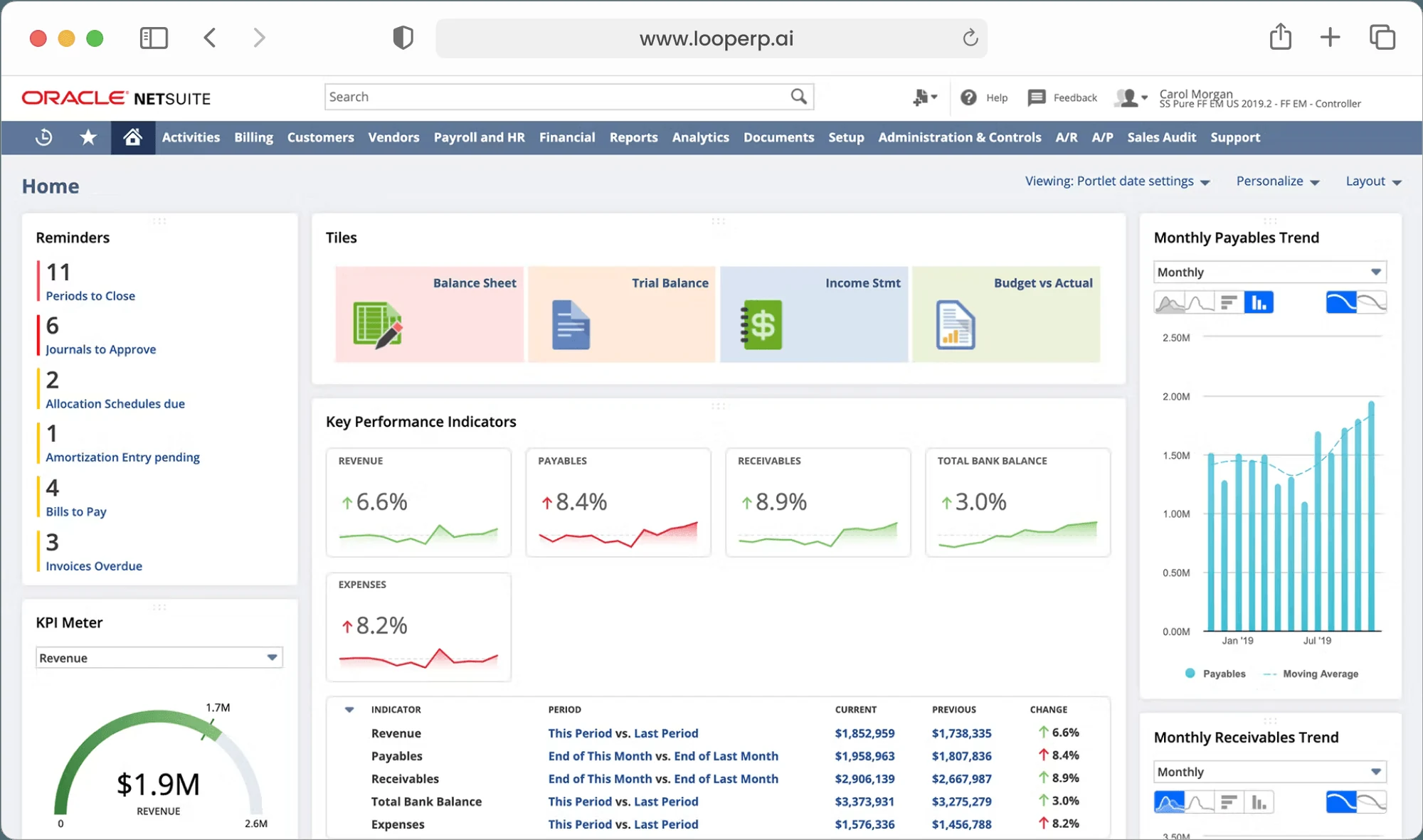
Loop ERP Dashboard
icon

Empower

Your Entire Operation

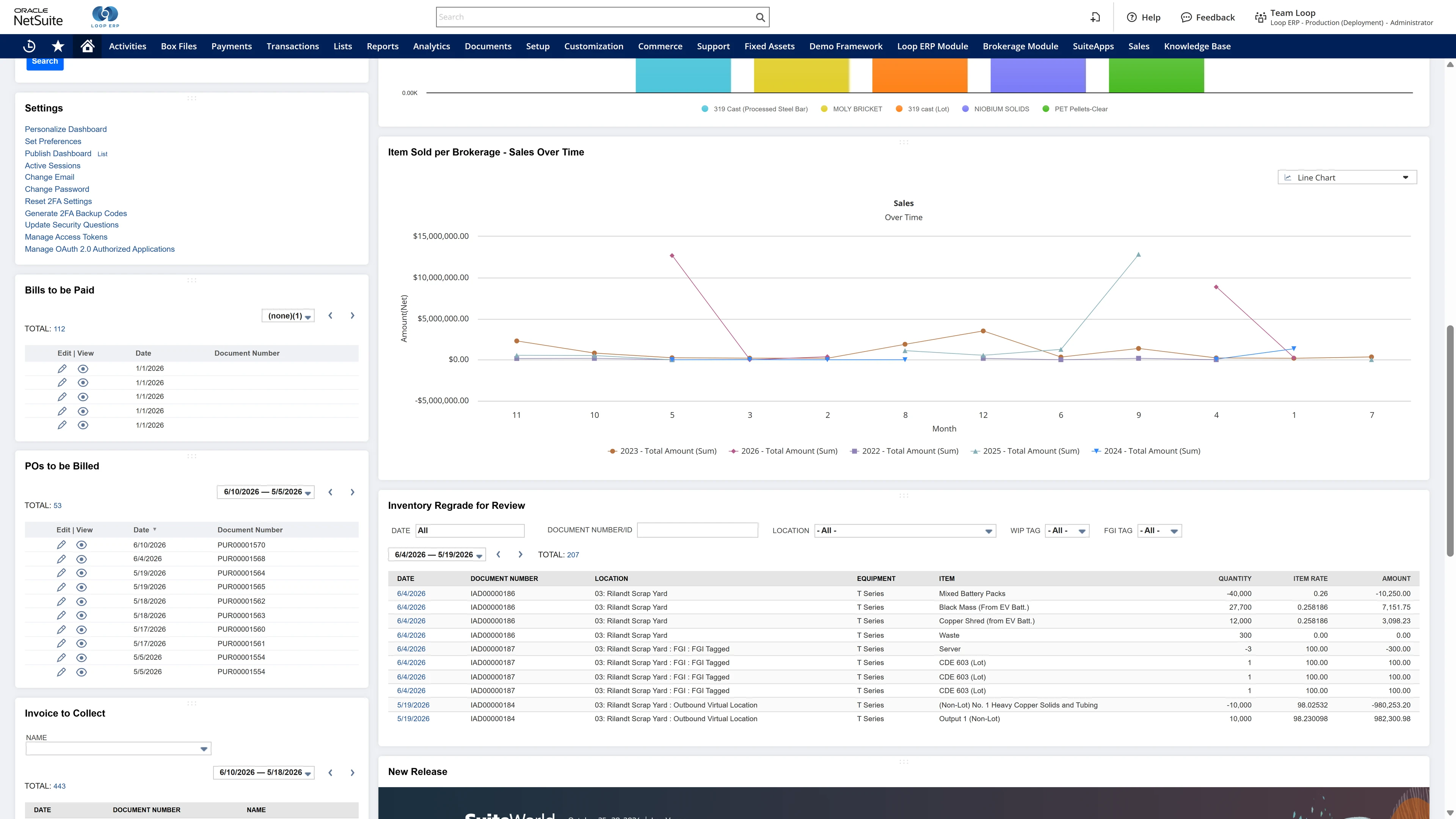
Inventory & Regrading

  • Convert vehicles to part lots with real-time status updates
  • Regrade, reclassify, or reprice inventory based on QA and demand
  • Label parts for ecommerce, wholesale, or core return with barcode support

Finance & Settlements

  • Generate profit/loss per VIN
  • Automate AP/AR for salvage purchases, customers, and vendors
  • Link every financial transaction to part, fluid, or metal yield

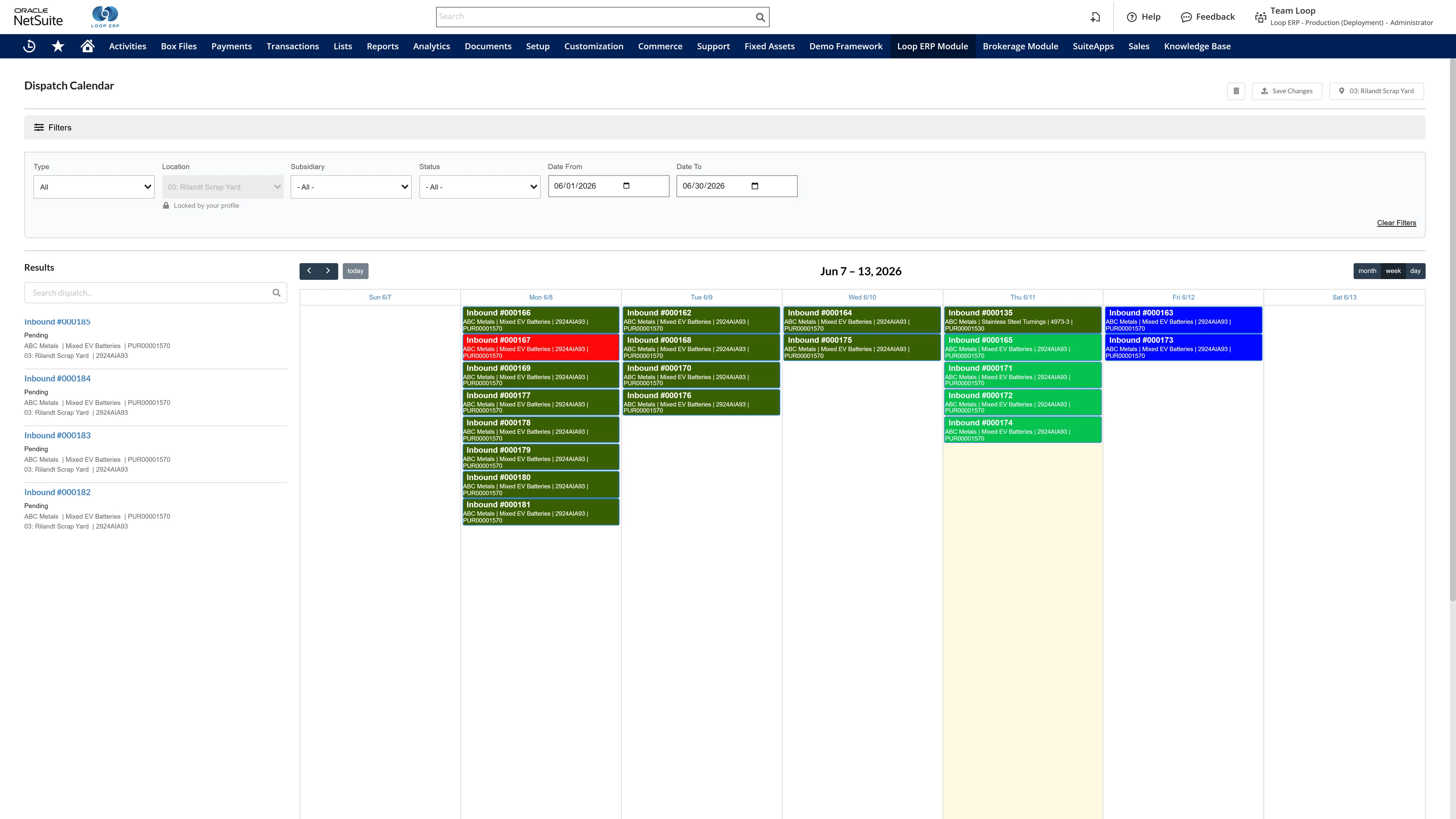
Dispatch & Driver Management

  • Route inbound vehicle pickups and outbound deliveries of parts or scrap
  • Log condition, weight, and handling notes at every touchpoint
  • Enable GPS-based delivery confirmation and performance tracking

Rebuild Smarter with Loop ERP

Loop ERP brings clarity, control, and profitability to the automotive recycling yard—from intake to inventory to income.

Ready to rev up your ERP?

Book Your Demo

Key Features & Benefits

Highlights at a Glance

Feature

✅ All-in-One Platform

⚖️ Scale & Camera Integration

🧠 AI Assistance

💵 Built-in Finance

📊 Role-Based Dashboards

♻️ Auto-Specific Workflows

📱 Mobile Applications

🔄 Track & Trace

✅ Quality Control

🔗 Netting

💲 Flexible Pricing Module

Benefit

End-to-end visibility across the auto recycling operation

Real-time weights and condition documentation

Value prediction and yield optimization

Automated settlements and VIN-level profitability

Views for yard ops, teardown, finance, and sales

Dismantling, resale, compliance, and recycling

VIN scanning, QA, and driver workflow tools

Traceable from vehicle drop to final part or scrap sale

Grading, photos, and resale readiness workflows

Vehicle-based netting of salvage cost and resale income

Intelligent pricing by part, vehicle, and demand

Frequently Asked Questions

Everything You Need to Know About Loop ERP

How does Loop ERP handle supplier settlements and vendor payments?

icon

Loop ERP automates supplier payments based on ticket data, net weight, and grade. It supports deductions, freight netting, multi-party deals, consignment sales, and joint ventures. Buyers receive invoices that break out surcharges, alloy adjustments, and transport costs — all generated from the same ticket data that drives operations.

What platform is Loop ERP built on?

icon

Loop is built on Oracle NetSuite, which means you get enterprise-grade accounting, CRM, and financial reporting built in. There is no separate accounting system to sync with, and no additional middleware between your operations and your books.

How secure is Loop ERP?

icon

Loop ERP runs on Oracle NetSuite, so your data lives inside enterprise cloud infrastructure with encryption in transit and at rest, role-based access, and audit logging on every transaction. Ticket edits, grade changes, and settlement adjustments all carry a user stamp and timestamp. If a record is overridden or reclassified, you can see who did it and when, which matters for disputes, audits, and internal controls.

How does Loop ERP help with sustainability reporting?

icon

Loop ERP pulls data straight from the same ticket and inventory records that run the yard, so sustainability reports reflect what actually moved, not a separate data set. Real-time dashboards track tons recycled by material, carbon saved, and landfill diversion by facility or customer. When a buyer or regulator asks for proof, you can produce a traceable record tied to specific loads, grades, and destinations instead of rebuilding it from spreadsheets.

Can Loop ERP handle large-scale operations?

icon

Yes. Loop ERP is built on NetSuite, the same platform used by enterprise recyclers, multi-yard operators, and shredder networks. It handles multi-entity accounting, consolidated reporting across locations, high daily ticket volumes, and complex settlement structures without slowing down. If you are running one yard today and five next year, you do not need to replatform to keep up.

How long does it take to implement Loop ERP?

icon

Implementation time varies, depending on the number of locations, material streams, and integrations involved (scales, cameras, payment processors, third-party logistics). The Loop ERP team handles data migration, workflow configuration, scale integration, and training in parallel, and we work directly with your operations leads, not just IT, so the system matches how your yard actually runs on day one.

What makes Loop ERP different from other ERP systems?

icon

Most ERP systems treat inventory as static boxes on a shelf. Loop ERP is built for inventory that changes grade, weight, and value at every step, which is how scrap, recycling, aggregate, brokerage, and similar materials-based businesses actually work. It is also NetSuite-native, so you do not need a separate accounting package, a middleware layer, or a patchwork of integrations to get from inbound ticket to closed financials. One login, one system, one source of truth for operations and finance.